
How a Retaining Wall Can Improve Drainage on Your Property
Managing excess rainwater and controlling surface runoff represent critical challenges for residential and commercial property owners alike. Uncontrolled water accumulation across sloped landscapes leads to soil erosion, severe lawn oversaturation, structural foundation damage, and unsightly pooling. When heavy rainfall events saturate sloped terrain, water naturally flows toward low-lying areas, carrying valuable topsoil and undermining outdoor structures. Implementing effective landscape engineering solutions transforms chaotic surface runoff into controlled drainage paths. Properly designed retaining walls serve as foundational elements in modern water management strategies, combining structural soil retention with integrated sub-surface drainage components. By reshaping natural contours and channeling hydrostatic pressure safely away from buildings, these structures protect property investments, improve soil stability, and transform unusable slopes into functional, beautifully drained outdoor spaces.
Understanding the direct relationship between land grading, soil saturation, and moisture control illuminates why structured landscape barriers are essential for property preservation. Sloped terrain without adequate retention mechanisms remains highly vulnerable to continuous erosion and water pooling near home foundations. Installing engineered landscape barriers alters natural topography, creating terraced levels that slow down rushing surface water and allow controlled infiltration. Beyond stopping physical soil movement, these structural installations incorporate specialized drainage channels, gravel backfill layers, and perforated pipe networks to capture subsurface moisture before it creates hydrostatic pressure. Strategic landscape engineering safeguards foundational structures, preserves pristine lawn areas, and ensures long-term water management across all weather conditions.
Redirecting Surface Runoff Away From Vulnerable Structures
Uncontrolled surface water flowing down natural slopes poses a constant threat to building foundations, paved driveways, and lower patio areas. During intense rainstorms, rushing water collects along natural contours, washing away soil and pooling against foundational walls. Engineered structural barriers act as physical shields that intercept surface runoff, redirecting the volume of water along controlled pathways toward safe discharge zones. By altering steep grades into managed terraces, these installations prevent water from cascading directly toward home foundations and outdoor living amenities.
Furthermore, integrating swales and surface catch basins alongside stone barriers ensures that heavy rain volume is directed safely toward municipal storm drains or natural drainage outlets. Stopping direct water impact eliminates localized flooding near basement walls and crawl spaces, reducing risks of interior moisture intrusion, mold proliferation, and structural cracking. Controlled redirection of surface runoff protects valuable hardscape investments, maintains clean outdoor living spaces, and ensures that heavy rainfall flows harmlessly around residential and commercial structures. Uncontrolled water flow also strips away protective mulch layers, exposes delicate root systems, and creates deep channels across manicured turf areas.
Eliminating Hydrostatic Pressure Behind Landscape Barriers
When soil behind a structural barrier becomes saturated with moisture, it expands and creates immense physical force known as hydrostatic pressure. Without proper drainage outlets, accumulated water exerts continuous outward force against structural barriers, leading to dangerous bowing, cracking, and eventual structural collapse. Managing internal moisture buildup is therefore vital for long-term wall stability and effective landscape drainage. Properly constructed retaining walls utilize specialized backfill materials, such as crushed stone and clean gravel, to facilitate rapid water movement down to subsurface collector pipes.
Integrating dedicated drainage components ensures that water filtering through upper soil layers is quickly captured and evacuated before building excessive pressure. According to This Old House, when installing drainage for retaining walls a layer of gravel sloped one inch for every four feet must be added to direct water away and Install a four-inch perforated PVC drainpipe at the base of the wall. This specialized drainage configuration prevents water retention within backfill zones, ensuring that heavy rains drain away smoothly without placing undue stress on structural walls. Eliminating hydrostatic pressure protects structural investments while maintaining optimal moisture levels throughout adjacent landscape beds.
Preventing Severe Soil Erosion and Topsoil Loss
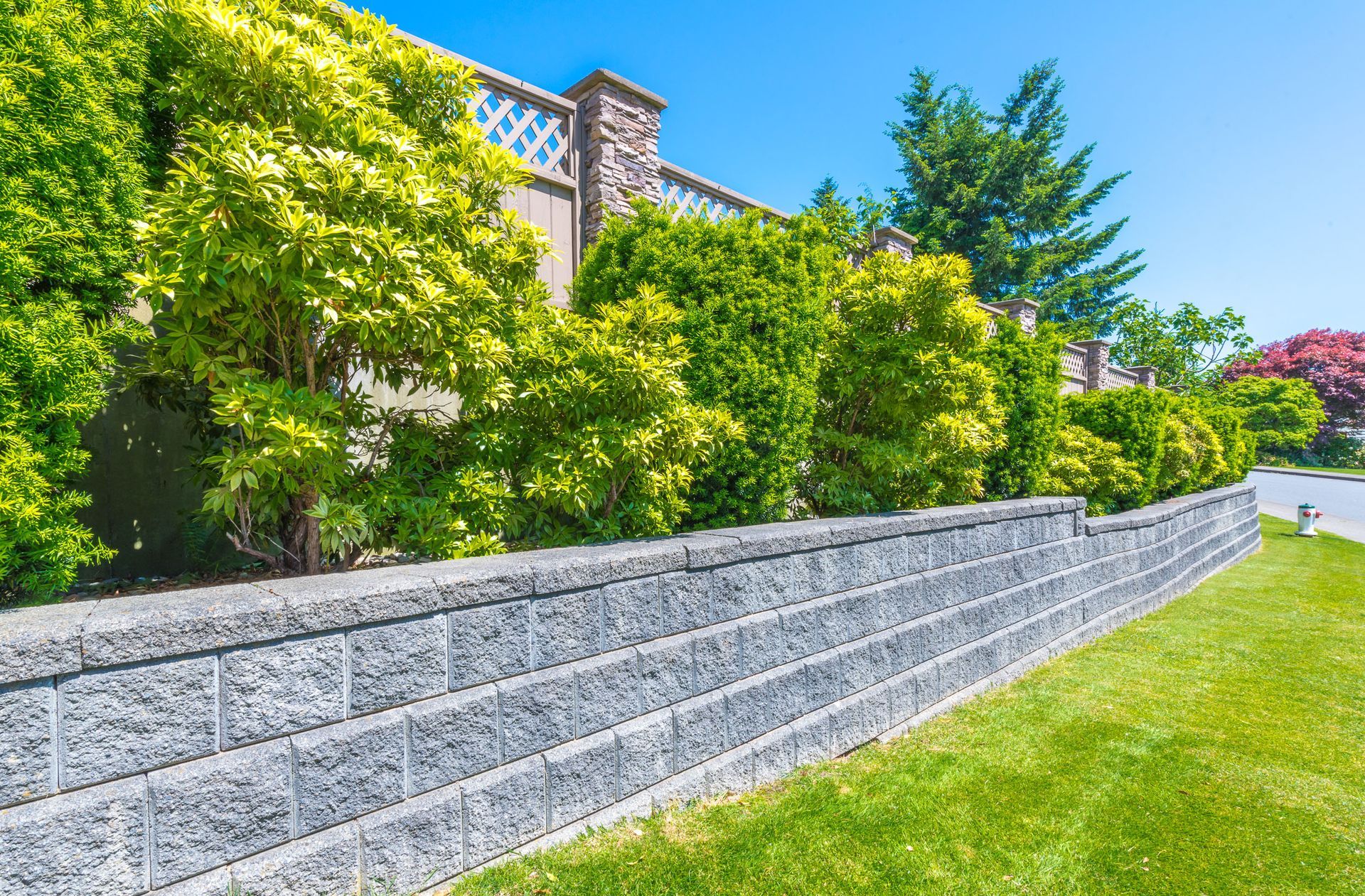
Rainfall landing on unprotected slopes dislodges fine soil particles, causing progressive erosion and washing away nutrient-rich topsoil required for healthy plant growth. Over time, severe erosion carves unsightly gullies into lawns, exposes tree roots, and deposits muddy sediment across walkways and driveways. Installing stone or concrete retaining walls stabilizes steep embankments, holding soil firmly in place and preventing ground movement during heavy storm events.
Terracing sloped yards into level tiers dramatically reduces the velocity of surface water runoff, allowing rain to penetrate the ground naturally rather than stripping away surface soil. Stabilized soil beds maintain proper nutrient levels, supporting vibrant turfgrass, shrubs, and garden plantings without risk of washout. Preventing soil erosion preserves property boundaries, protects natural landscape contours, and keeps outdoor living areas clean and sediment-free year after year. Controlling water flow across sloped beds prevents chemical fertilizer runoff from entering local storm systems, promoting robust root development.
Eliminating Low-Lying Standing Water and Lawn Oversaturation
Persistent standing water in low-lying lawn areas creates soggy turf, kills healthy grass roots, and provides breeding grounds for pests such as mosquitoes. Saturated soil conditions result from inadequate surface slope and compacted subsoil layers that prevent natural water percolation. Well-engineered landscape barriers reshape flat or irregular topography, elevating low spots and creating gentle slopes that encourage natural gravity drainage toward designated discharge zones.
By elevating landscape beds and integrating porous backfill materials, structured barriers prevent water from stagnating on lawn surfaces. Subsurface drainage pipes embedded behind structural installations collect excess groundwater and channel it efficiently away from low-lying zones. Eliminating soggy lawn patches restores full usability to backyard spaces, improves turf health, and creates clean, dry outdoor environments for family recreation and entertainment. Prolonged soil saturation degrades subsoil compaction, leading to uneven lawn settlement. Establishing engineered drainage pathways protects turf uniformity across all seasons.
Protecting Home Foundations From Water Intrusion
Water pooling near residential foundations presents severe risks of basement seepage, mold growth, structural concrete degradation, and foundation settling. When soil surrounding a foundation absorbs excess moisture, it expands against basement walls and seeps through microscopic masonry pores. Strategic installation of retaining walls alters landscape grading around building perimeters, sloping ground surfaces away from foundational walls to ensure positive drainage.
Integrated sub-surface drainage systems within structural barriers intercept groundwater moving toward home foundations, capturing moisture before it reaches basement structures. Diverting subsurface moisture to distant discharge areas keeps foundation soil consistently stable and dry. Safeguarding home foundations from water intrusion preserves structural integrity, protects interior living spaces from costly water damage, and maintains overall property value.
Maximizing Usable Yard Space Through Terraced Landscaping
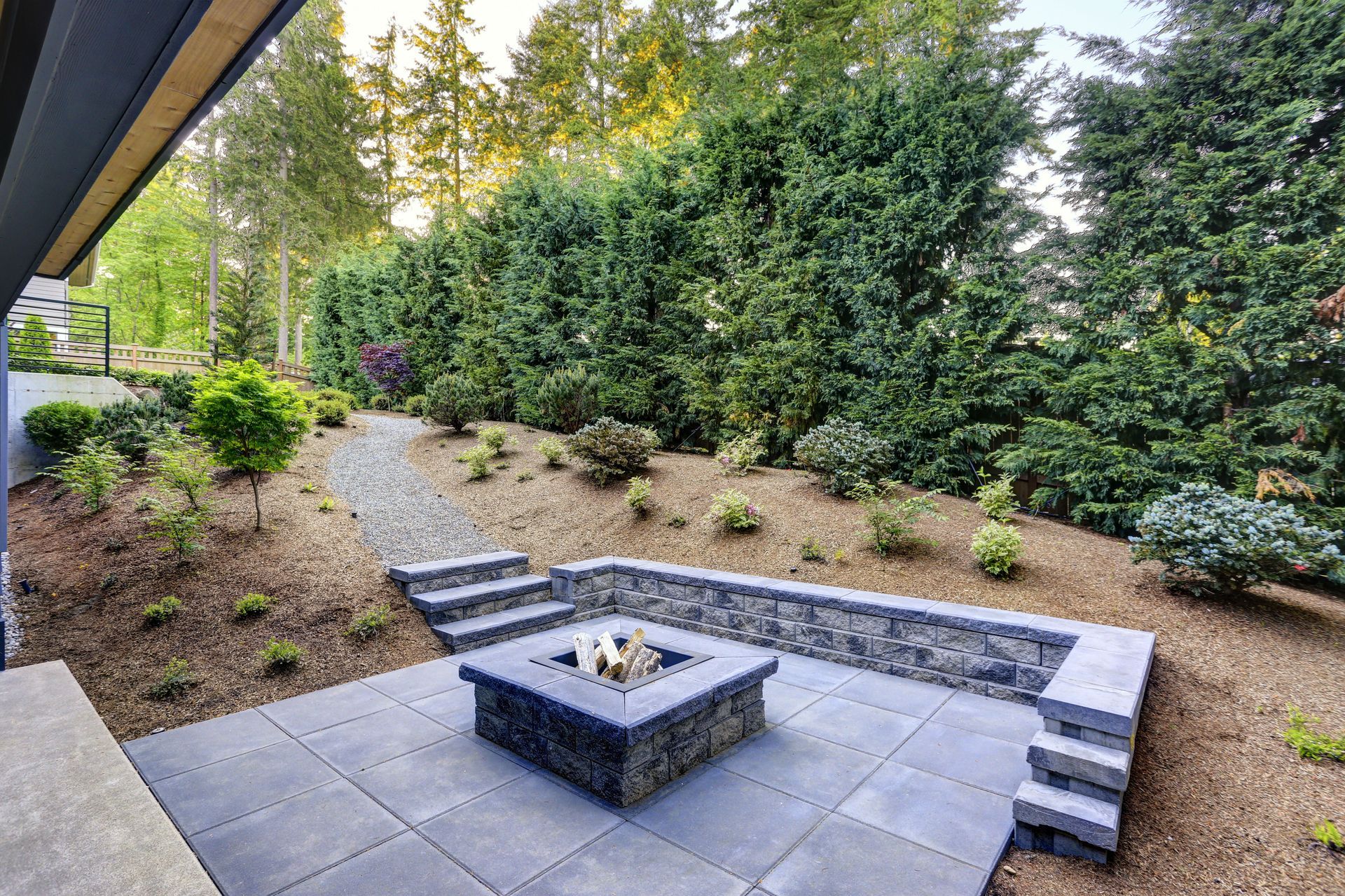
Steep, uneven slopes often render vast portions of residential properties completely unusable for outdoor activities, gardening, or hardscape additions. Furthermore, unmanaged sloped terrain complicates lawn mowing and landscape maintenance while exacerbating drainage problems. Constructing tiered retaining walls transforms steep embankments into level, highly functional terraced platforms that incorporate built-in drainage channels.
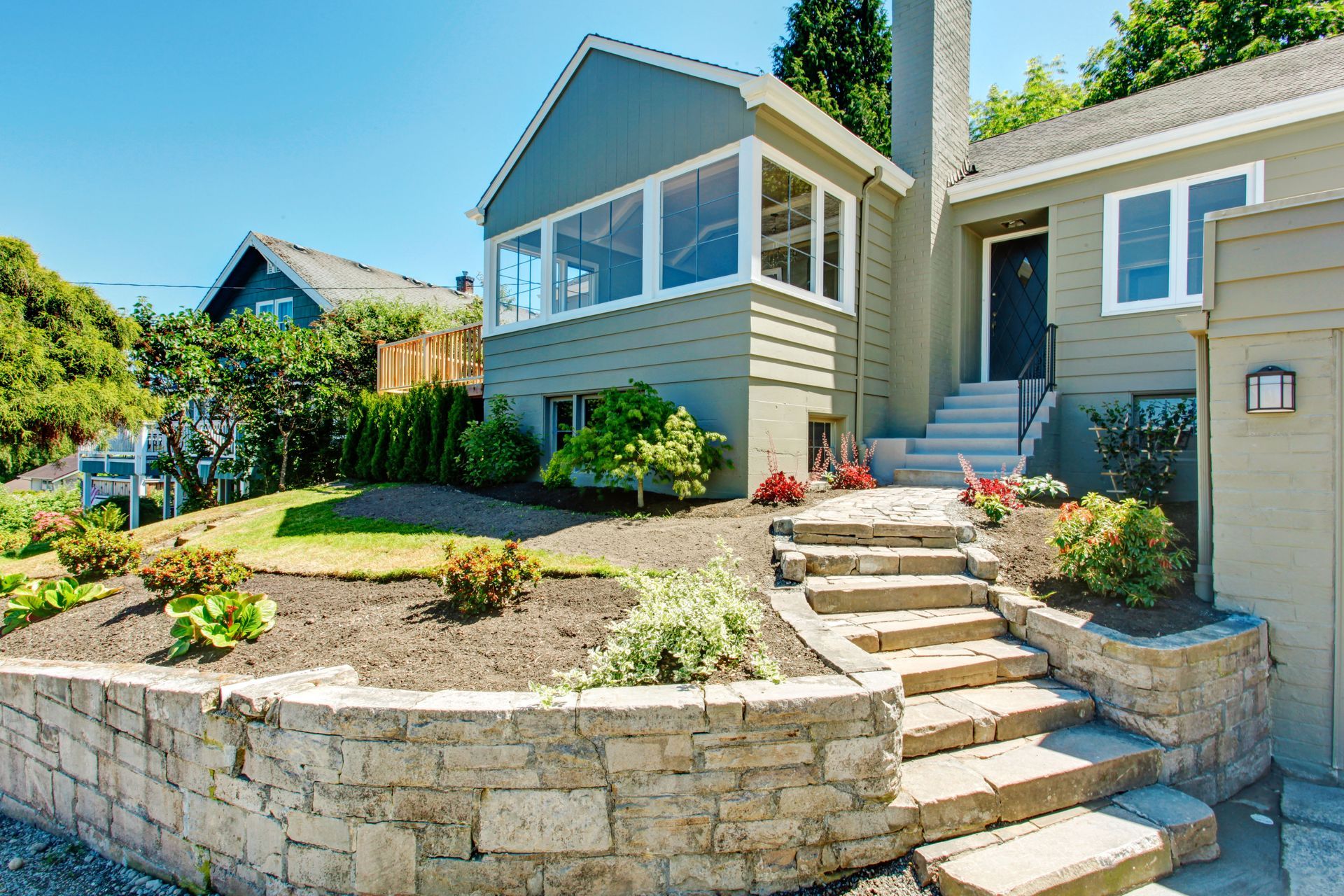
Terraced landscapes allow property owners to install beautiful patio areas, vibrant garden beds, and safe play spaces on previously unusable slopes. Each terraced level features independent sub-surface drainage components that manage water localized to that specific tier, preventing water accumulation from cascading onto lower levels. Maximizing usable yard space through terraced construction enhances outdoor functionality, improves overall property aesthetics, and provides long-term erosion and drainage control across entire residential landscapes. Transforming unusable slopes into structured terraced features increases overall real estate appeal and functional property value.
At Gambale Concrete LLC, our team specializes in designing and constructing custom hardscape and water management solutions tailored to the unique topography of your property. We are dedicated to helping you protect structural foundations, control landscape drainage, and elevate outdoor living spaces with lasting craftsmanship. Contact us today to schedule your consultation and discover how expert hardscape engineering can resolve your property drainage challenges.
Share On: