
Retaining Wall Maintenance Tips for Long-Lasting Performance
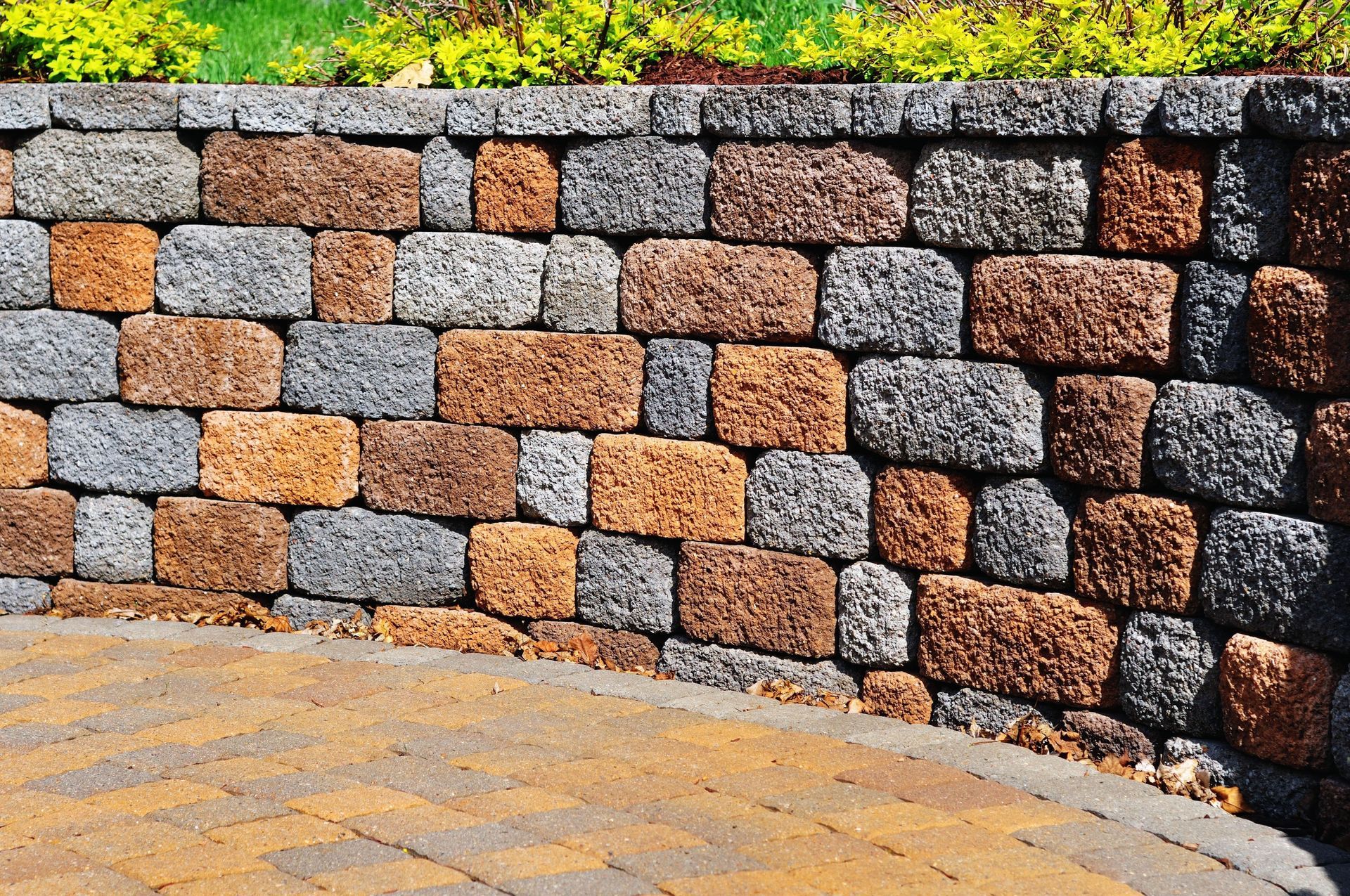
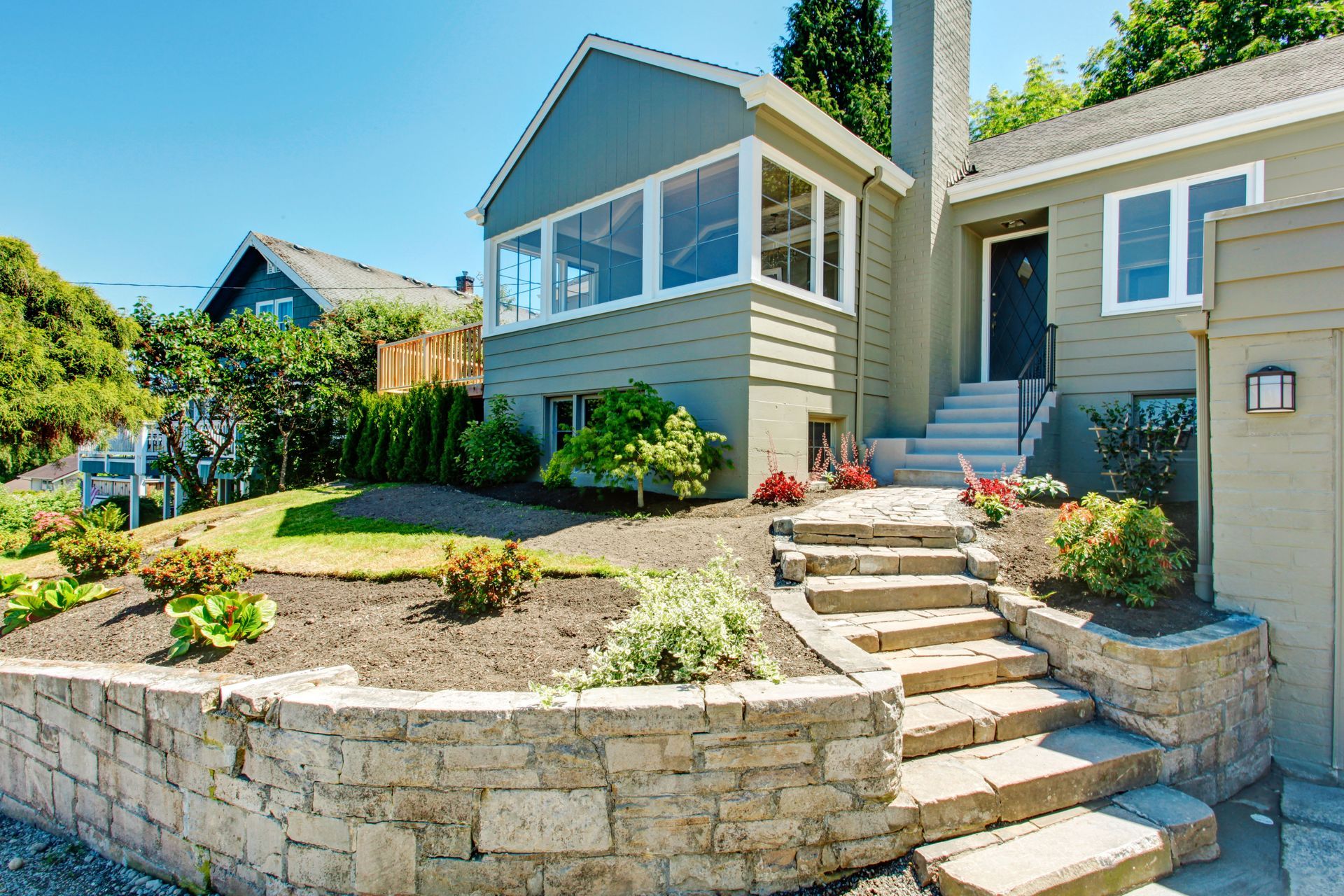
Retaining wall installations significant roles in landscape engineering and design. They offer safety, stability, and visual appeal by holding back earth and managing variations in ground level across landscapes. Proper maintenance of these structures is vital to ensure their longevity and effectiveness, reducing the risk of collapse and the need for costly repairs. Let's explore various maintenance strategies that can help ensure the long-lasting performance of retaining walls.
Drainage Solutions
Importance of Proper Drainage
Proper drainage is the cornerstone of maintaining structurally sound retaining wall installations. Water accumulation behind the wall can exert excessive pressure, leading to bulging, cracking, or even total failure of the wall. Well-designed drainage solutions alleviate these pressures by allowing water to efficiently percolate away from the wall. By reducing hydrostatic pressure, a well-drained wall is less prone to shifting and cracking, thereby extending its lifespan. Incorporating adequate drainage not only enhances the wall's functional longevity but also maintains its visual appeal by preventing water and soil stains.
Common Drainage Systems
Several drainage systems are commonly employed in retaining wall construction, each offering distinct advantages. Gravel back fills provide a simple yet effective drainage solution, allowing water to move freely behind the wall. Drainage pipes, often installed at the base of the wall, collect and redirect water away from the structure, preventing buildup. Weep holes are small openings in the wall that permit water to exit from behind the retaining wall, reducing hydrostatic pressure. Geo textiles are used to separate soil and drainage materials, preventing soil migration while allowing water to pass through. Each system plays a crucial role in maintaining the wall's structural integrity over time.
Installation Tips for Adequate Drainage
Proper installation of drainage systems is essential to their effectiveness. During construction, ensure that a layer of gravel or a similar drainage aggregate is placed directly behind the wall to facilitate water movement. Installing perforated drainage pipes at the base of the wall aids in collecting and diverting water away efficiently. It is crucial to maintain a natural slope or gradient to enhance water flow away from the wall. Regular checks and maintenance of these systems are also necessary to ensure continued function and to prevent blockages. Implementing these practices ensures optimal drainage performance, safeguarding the wall against water-induced damage.
Signs of Drainage Failure
Recognizing the signs of drainage failure is crucial in taking corrective action before substantial damage occurs. Evidence of water seepage or puddling at the wall base often indicates inadequate drainage. Additional signs include warped or shifted retaining wall blocks, suggesting uneven pressure distribution due to water accumulation. Staining or efflorescence on the wall surface can point to internal moisture presence, signaling drainage malfunction. Regular inspections can help detect these early warning signs, allowing timely intervention. Addressing drainage issues promptly is key to preventing further structural damage and ensuring the wall's longevity.
Regular Inspections and Repairs
Identifying Common Problems in Retaining Walls
Routine inspections are key to identifying common problems affecting retaining wall stability. Cracks in the wall may indicate excessive pressure or inadequate drainage, requiring immediate attention. Bulging of the wall face often signals uneven force distribution, necessitating further investigation and possible reinforcement. Vegetation growth through wall joints can undermine structural integrity, while evidence of leaching or efflorescence reveals underlying moisture issues. Identifying such problems at an early stage allows for the timely implementation of corrective measures, maintaining the wall's performance and preventing further deterioration.
Scheduling Routine Inspections
Establishing a regular inspection schedule is essential for proactive retaining wall maintenance. Semi-annual inspections are generally recommended, especially after significant weather events that may have stressed the wall. During inspections, focus on identifying visible signs of wear and structural changes that necessitate repair. Additionally, maintaining records of each inspection will assist in tracking any issues and monitoring wall performance over time. By adhering to a scheduled inspection plan, property owners can address issues before they lead to costly repairs or safety concerns, safeguarding the wall's longevity.
Effective Repair Techniques
Several repair techniques can effectively address common retaining wall issues. Re-pointing damaged mortar in stone or brick walls can restore structural stability and aesthetic appeal. For loose stones or bricks, resetting and securing them is crucial to prevent further loss of stability. In concrete walls, sealing cracks with appropriate fillers can prevent water infiltration and subsequent damage. For leaning walls, introducing additional reinforcement, such as tie-backs or steel supports, can reestablish integrity. Employing these techniques ensures the wall remains stable and effectively manages the terrain it supports.
Calling a Professional
While minor repairs can often be managed by homeowners, certain situations necessitate the expertise of a professional. In cases where the wall exhibits extensive cracking, significant bulging or tilting, professional evaluation is critical to determine underlying causes and corrective actions. Geological assessments or structural engineering consultations may be required for complex issues or tall walls exceeding typical gravity wall limits, according to This Old House, usually not exceeding three or four feet without additional reinforcement. Professionals bring specialized knowledge and skills to ensure repairs are both safe and effective, ultimately preserving the wall's integrity. When in doubt, engaging a professional is the best course of action for preserving the wall's structural health and safety.
Vegetation Management Around Retaining Walls
Impact of Plants on Wall Stability
While vegetation can enhance the aesthetic appeal of retaining walls, it can also pose potential threats to their stability. Plant roots, as they grow, can infiltrate the joints of retaining walls, causing displacement and undermining structural integrity. The added weight and moisture from plants can also increase pressure on the wall, exacerbating stress points. However, strategically planted vegetation can help manage water runoff and slope stability when integrated into the wall design. Knowledge of the impact of vegetation on retaining walls can help in making informed planting decisions that enhance rather than harm wall stability.
Choosing the Right Vegetation
Selecting appropriate plants for areas near retaining wall installations is key to mitigating potential risks. Opt for small, non-invasive plants that require minimal root space and water, reducing the risk of root infiltration and water accumulation. Ground covers like Creeping Thyme or ornamental grasses can naturally weave into the landscape without overwhelming the wall structure. Avoid trees or large shrubs directly adjacent to the wall, as their roots and canopy can cause significant damage over time. Consideration of regional climate and soil conditions will also inform plant selection for optimal growth and minimal wall impact. Mindful plant selection ensures vegetation complements rather than endangers retaining wall integrity.
Techniques for Controlled Growth
Maintaining control over vegetation near retaining wall installations is crucial to safeguarding structural stability. Regular pruning helps manage plant size and promotes controlled root spread, minimizing impact on the wall. Installing root barriers between the wall and plants can keep roots from encroaching into vulnerable areas. Drip irrigation systems can provide a controlled water supply to plants, preventing excess runoff and soil erosion around the wall base. Additionally, mulching around plants can reduce competing weeds and retain soil moisture without excess water pooling. Employing these techniques manages plant growth effectively, protecting the wall from potential risks.
Pruning Methods to Protect Walls
Pruning is an essential practice to ensure vegetation does not threaten the stability of retaining walls. Regular trimming keeps plant size in check, preventing excess weight and moisture accumulation near the wall structure. Targeted cuts should focus on removing overgrown or dead limbs, promoting healthy growth and preventing overhanging branches from exerting pressure. For climbing plants, annual trimming prevents tendrils from embedding into wall joints, which can cause displacement over time. Utilizing the right tools, such as bypass pruners, enables precision growth management without damaging surrounding structures. Effective pruning safeguards retaining wall stability while maintaining vegetation health and aesthetics.
The long-term success of any retaining wall relies on proactive, comprehensive care. By implementing effective drainage solutions, adhering to a consistent inspection schedule, addressing repairs promptly, and managing surrounding vegetation thoughtfully, you can protect your retaining wall installations against premature wear and water-induced damage. To learn more, reach out to the experts at Gambale Concrete LLC today.

Share On: