
What Materials Are Best for Concrete Walkways?
Concrete walkways play a vital role in defining outdoor spaces, guiding foot traffic, and enhancing both the beauty and functionality of landscapes. Choosing the right materials and finishes for a walkway is essential, as each option carries distinct advantages related to durability, appearance, and climate performance. Understanding these considerations helps homeowners create safe, attractive paths that complement their property. Whether the priority is decorative style, structural reliability, or ease of upkeep, there is a walkway material suited to every landscape design. Many homeowners look to concrete services for help selecting the most durable finish, ensuring proper installation, and maximizing long-term performance. With the right support from professionals who specialize in concrete, walkways can become both functional and visually compelling elements of any outdoor environment.
Choosing Concrete for Walkway Durability
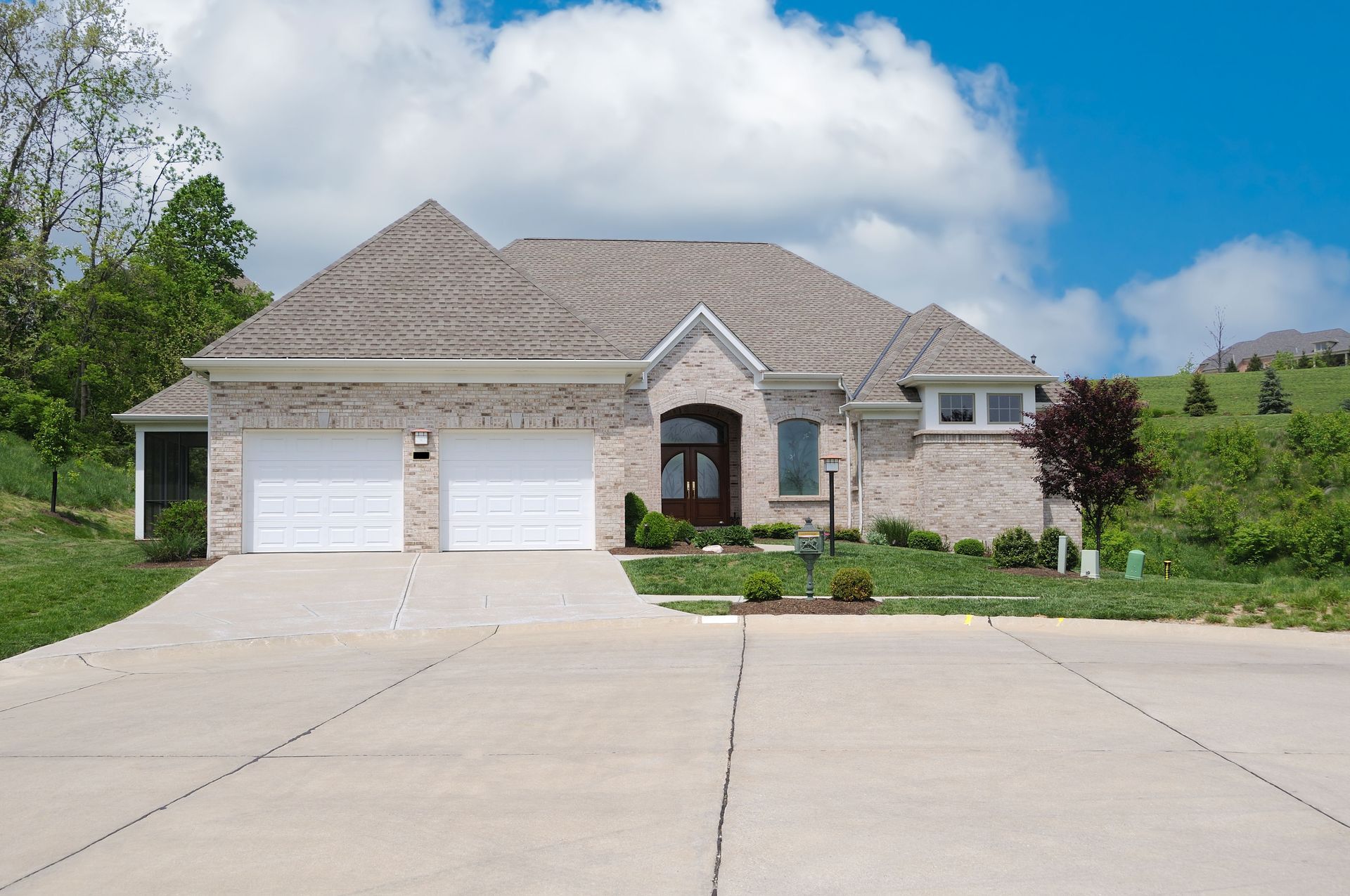
Concrete is one of the most popular materials for walkways—and for good reason. It provides exceptional strength and can withstand frequent foot traffic, seasonal weather patterns, and heavy outdoor use. Concrete walkways feature a clean, polished appearance that complements both modern and traditional landscapes. Its natural resistance to wear and erosion significantly extends its lifespan. Additionally, concrete’s moldable nature allows for a wide variety of textures and finishes to enhance visual appeal.
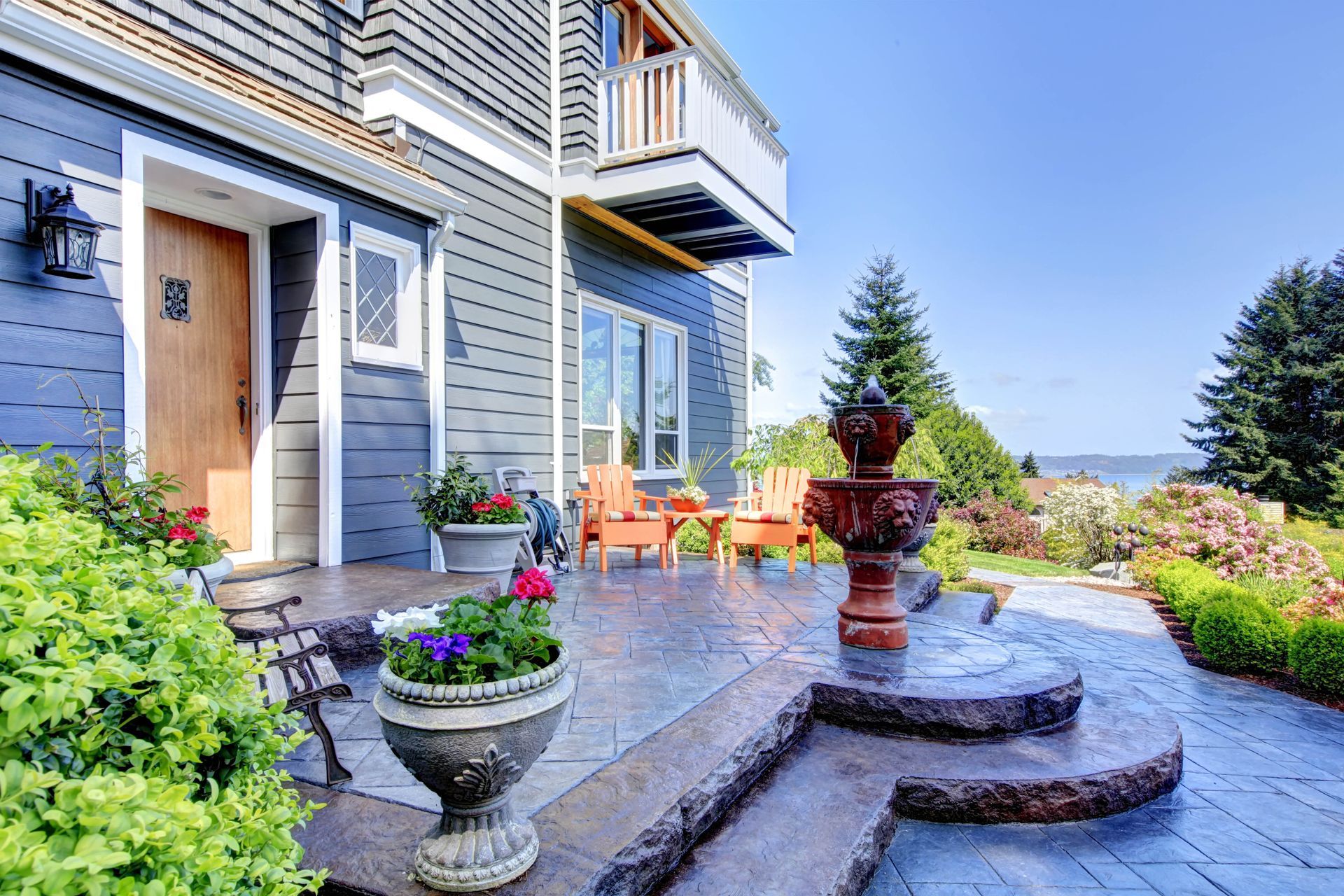
Concrete walkways can be customized with design elements that elevate the surrounding outdoor space. Decorative options such as stamped or colored concrete can mimic brick, stone, or tile, expanding creative possibilities. This adaptability allows homeowners to match walkway surfaces with patios, garden borders, or architectural features. Concrete also reflects light well, improving visibility along nighttime paths. With its combination of function and appearance, concrete remains a top choice for walkway installations, especially when handled by experts who specialize in concrete services.
Concrete requires time to cure and should be installed by skilled professionals to ensure proper structural integrity. Regular sealing protects the walkway from staining and environmental exposure. Proper installation and consistent care ensure a walkway surface that remains visually appealing and structurally reliable. Many homeowners rely on concrete services to evaluate soil conditions, choose reinforcement options, and select the ideal finish to match the home’s exterior.
Maintaining concrete walkways involves routine cleaning to prevent debris accumulation and surface discoloration. Sealing helps guard against moisture penetration, freeze–thaw cycles, and outdoor pollutants. The frequency of sealing depends on climate, with harsher regions requiring more frequent applications. Addressing small cracks promptly prevents widespread damage. Proactive care ensures that concrete walkways maintain their beauty and durability over time, and ongoing maintenance from concrete services ensures optimal long-term performance.
Concrete’s versatility extends into design customization. Finishes such as broom texture, exposed aggregate, and stamped patterns add traction and aesthetic character. Color treatments allow walkways to blend into surrounding landscapes or stand out as intentional design elements. Decorative borders, embedded stones, or geometric patterns offer additional personalization. This level of design flexibility is one of the primary reasons concrete is an enduring option for walkway projects. Skilled teams offering concrete services often help homeowners review samples, compare finishes, and choose design accents that elevate curb appeal.
Using Asphalt for Flexible, Smooth Walkway Surfaces
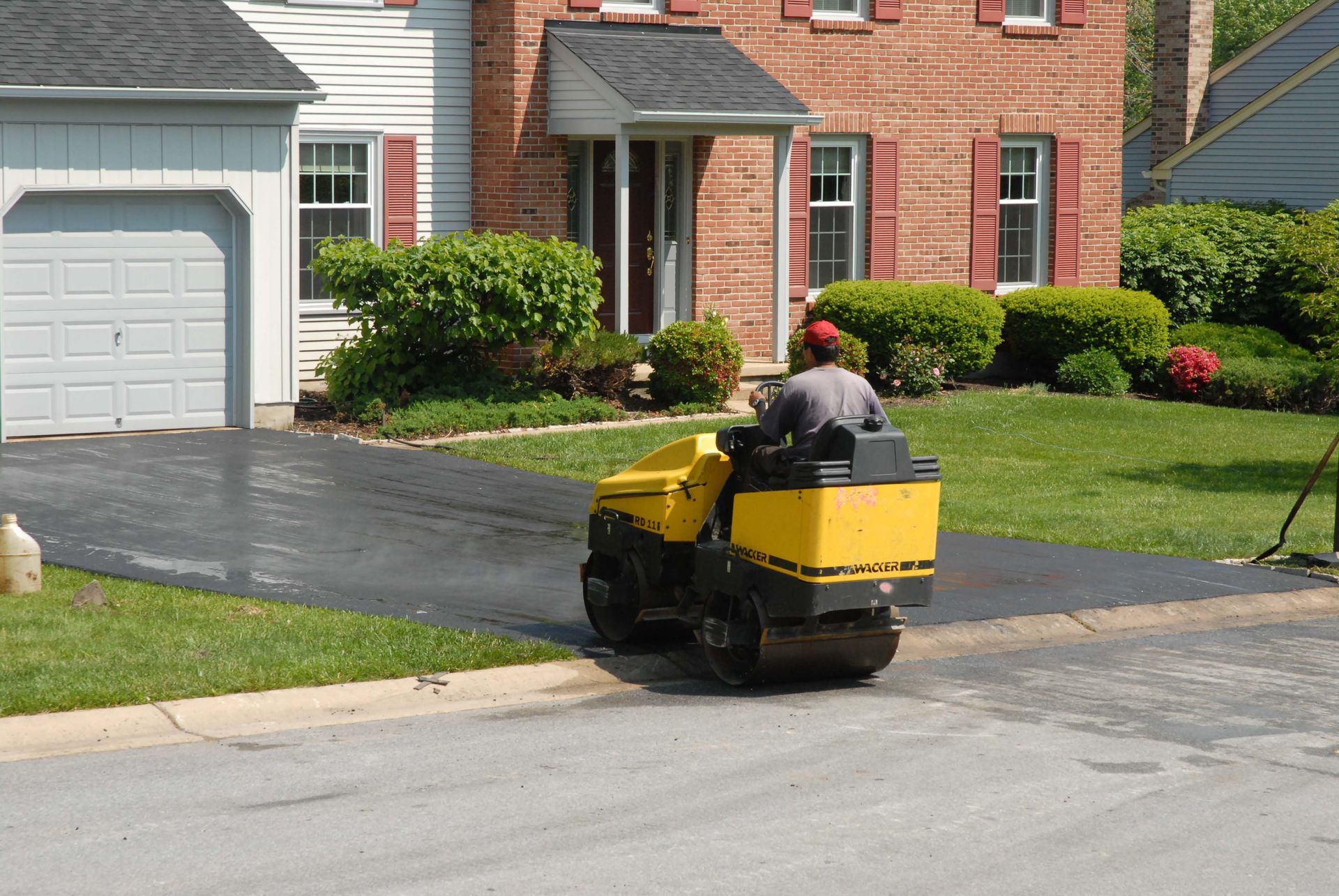
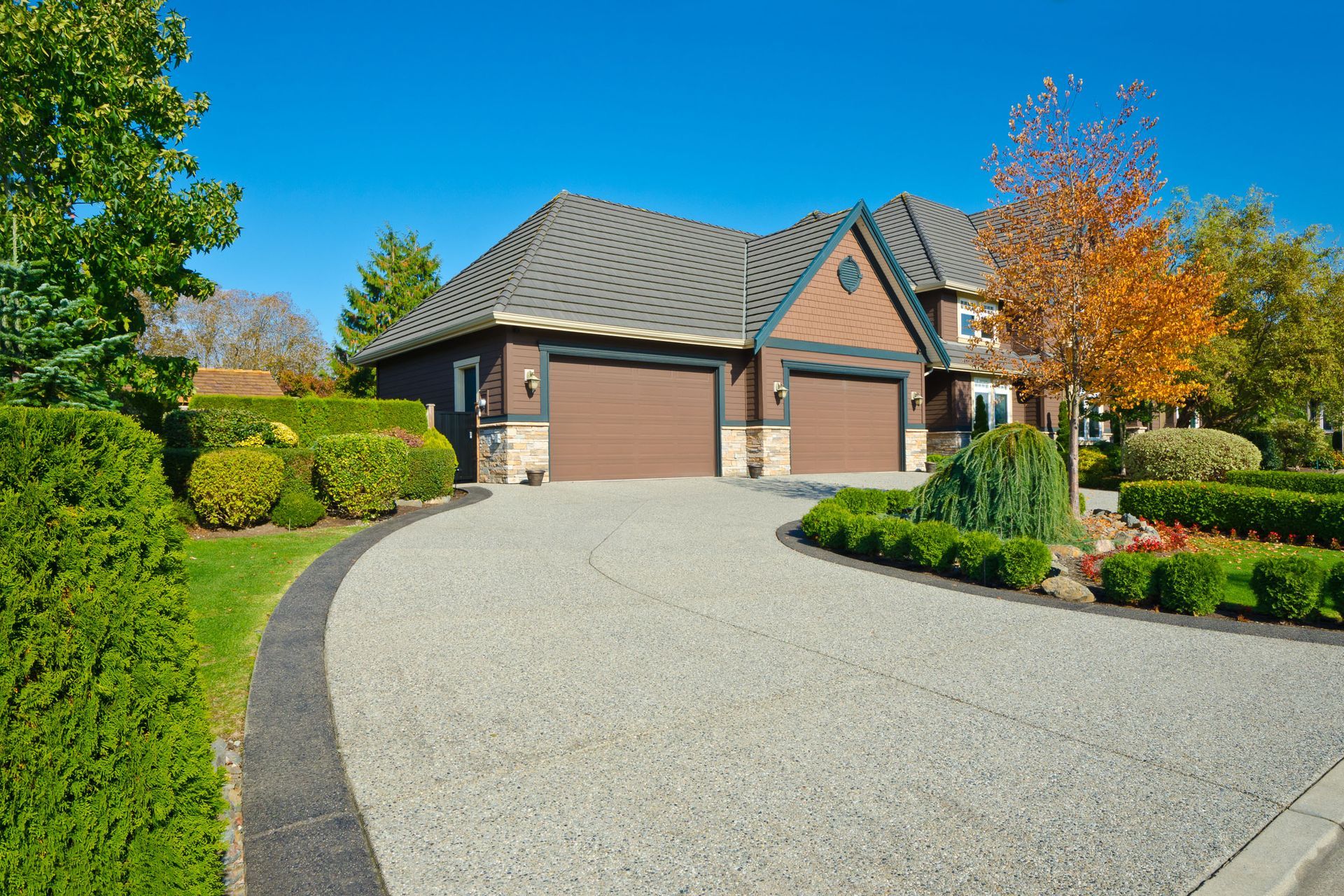
Asphalt, commonly associated with roads and driveways, is also used for walkways due to its smooth surface and resilience. Asphalt walkways provide excellent traction, reduce noise underfoot, and allow for comfortable walking. Installation is typically quick, allowing the walkway to be used soon after completion. Its dark color absorbs heat, helping snow and ice melt faster during the winter months. Homeowners appreciate the sleek, uniform appearance it brings to pathways.
A major advantage of asphalt is its recyclability, as asphalt is 100% recyclable, according to the Asphalt Pavement Alliance. Recycled asphalt retains the same strength and durability as new material. This contributes to sustainable construction practices and supports environmentally conscious outdoor planning.
Asphalt’s flexibility makes it less likely to crack during temperature fluctuations. It expands and contracts in response to weather changes, reducing stress on the walkway surface. Modified asphalt blends can further enhance its resilience. Regular inspection and timely repairs help keep the walkway in optimal condition.
Asphalt’s performance also depends on proper installation and material quality. When applied by experienced contractors using high-grade mixes, asphalt walkways can endure heavy foot traffic and seasonal weather changes. With proper care, asphalt walkways maintain a smooth, attractive surface.
Selecting Pavers for Customizable, High-End Walkways
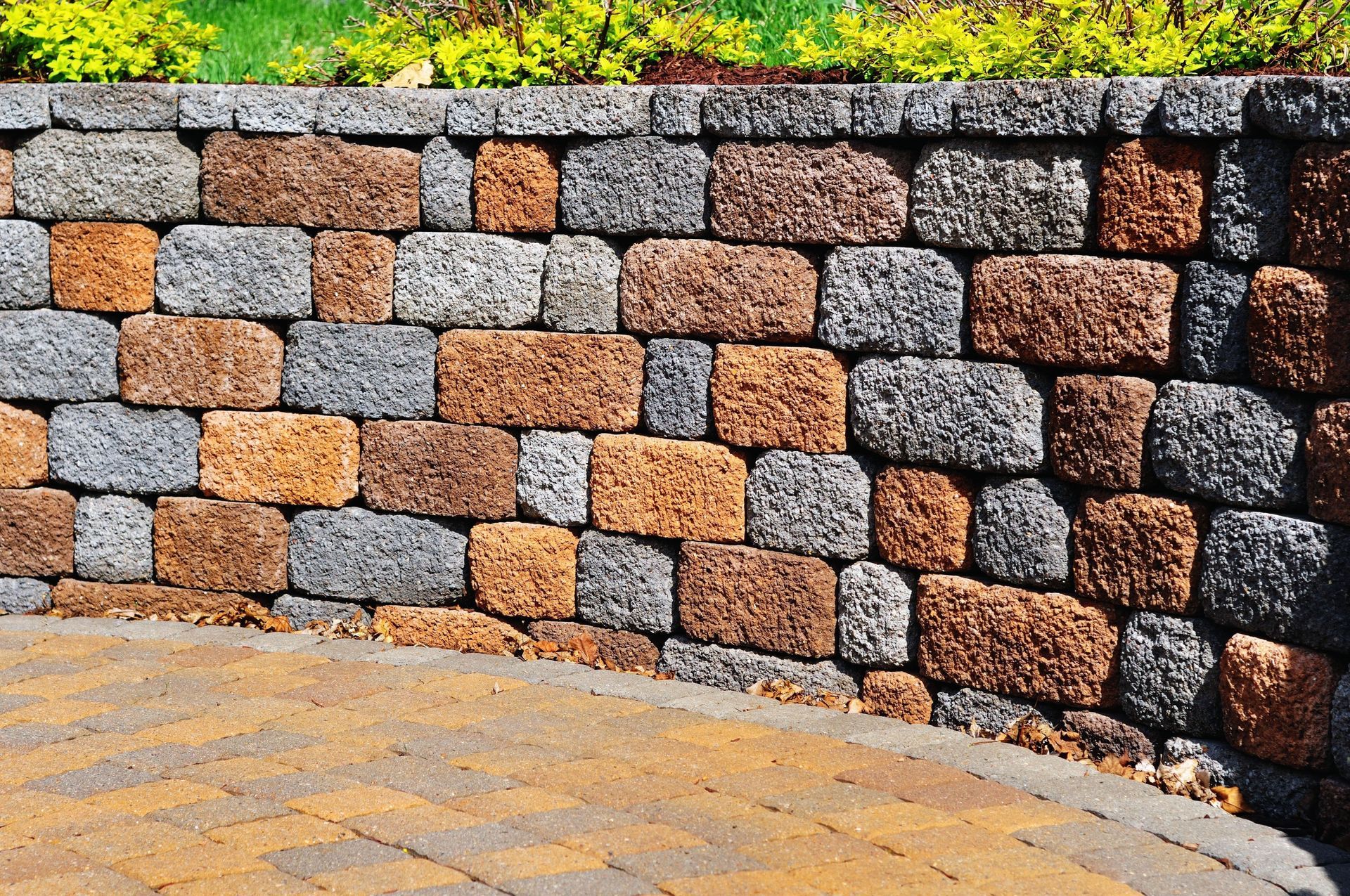
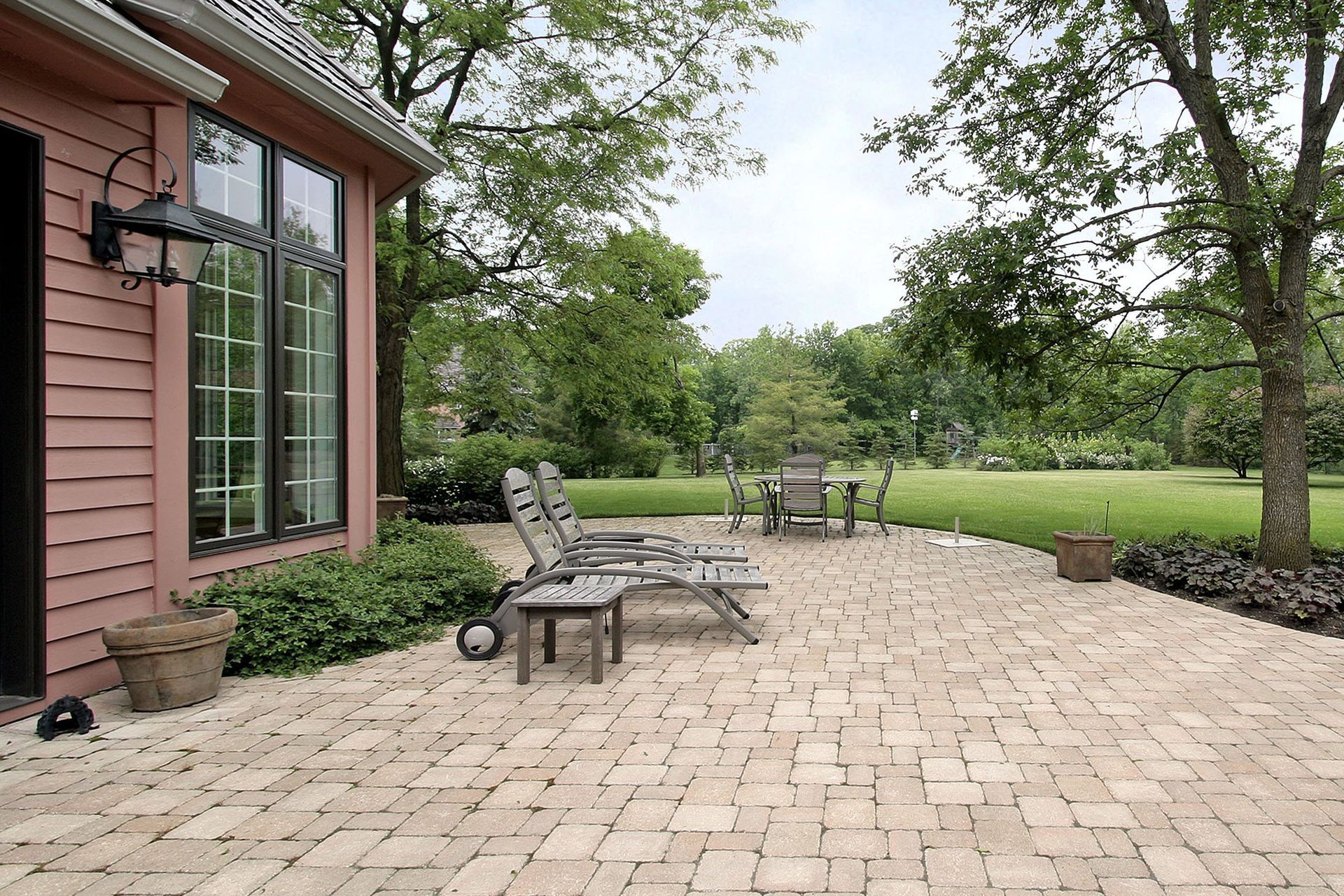
Paver walkways offer unparalleled design versatility, enabling homeowners to create visually stunning paths tailored to any architectural style or landscape. They can mimic natural stone, brick, or tile, providing a high-end aesthetic with endless creative potential. Borders, geometric layouts, and decorative motifs all enhance the walkway’s character. These design advantages make pavers an excellent option for enhancing curb appeal and outdoor charm.
Pavers also offer practical benefits, especially when it comes to repairs and alterations. Because each unit is individually set, replacing a single damaged or stained paver is simple. This prevents the need for full reconstruction and helps maintain a uniform appearance. Pavers can coordinate with landscaping, patios, or architectural features, creating harmonious outdoor spaces. Using contrasting colors, textures, or shapes introduces dimension and depth.
Functionally, pavers are highly durable and suitable for various climates. They resist cracking because they can move slightly under pressure without breaking. Materials include concrete, natural stone, and clay, each offering unique benefits. Permeable pavers allow water to pass through, reducing runoff and supporting natural drainage. Their interlocking structure distributes weight evenly, enhancing stability and reducing long-term surface stress.
Maintenance for paver walkways is simple. Sweeping, rinsing, and periodically replenishing joint sand keep surfaces stable and attractive. Occasional sealing can enhance color and resist stains, depending on the paver type. With regular care, paver walkways maintain their beauty and structural reliability. Professionals offering concrete services often assist homeowners in deciding whether to integrate pavers with concrete elements to create cohesive walkway systems.
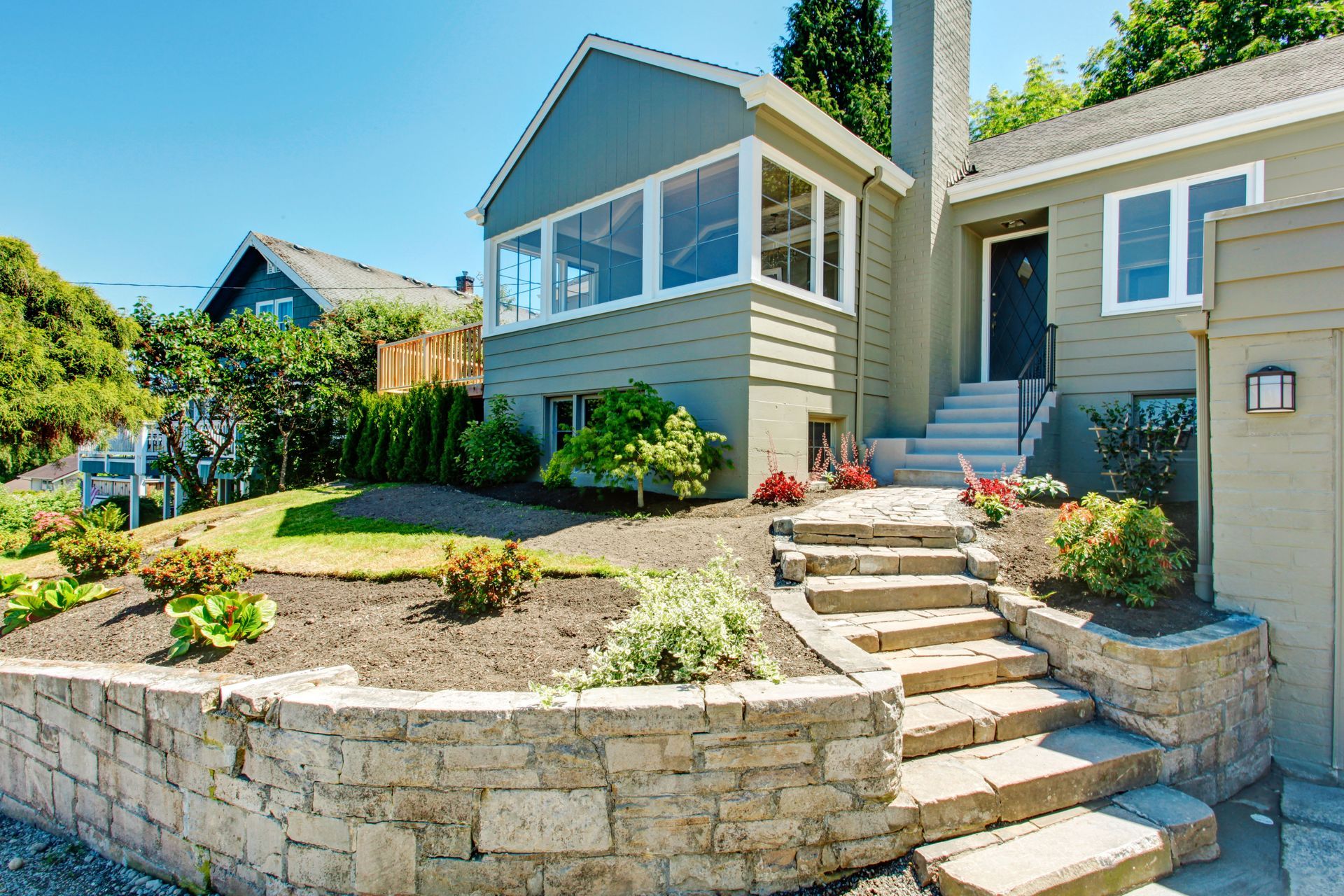
Pavers are highly adaptable to curved routes, garden paths, and multi-level landscapes. Their modular form allows them to follow natural contours, blending seamlessly with surrounding greenery. This flexibility supports both functional navigation and aesthetic landscape design. Expert installation from teams specializing in concrete services can further enhance slope management, edging stability, and long-term walkway durability.
Pavers also offer excellent long-term stability when installed with proper base preparation and edge restraints. A well-compacted foundation ensures even weight distribution, reducing shifting and settling over time. Incorporating high-quality edging materials, such as concrete borders or reinforced restraints, helps keep the pavers locked securely in place, even through seasonal freeze–thaw cycles. This structural dependability, paired with their aesthetic versatility, makes pavers a smart choice for homeowners seeking both function and design flexibility. With attention to installation details and ongoing care, paver walkways remain beautiful, durable, and adaptable to evolving landscape styles.
Selecting the ideal material for a concrete walkway significantly impacts both visual appeal and long-term landscape performance. Concrete offers unmatched strength and design flexibility, asphalt provides smoothness and adaptability, and pavers deliver exceptional customization with impressive structural benefits. Understanding the advantages, maintenance needs, and aesthetic possibilities of each material allows homeowners to make confident decisions that support both form and function. Walkways crafted with the help of concrete services often achieve superior durability, balanced design, and long-lasting performance. Ultimately, well-designed walkways supported by high-quality services contribute to safer navigation, improved curb appeal, and a more cohesive outdoor environment for years to come. For all of your concrete walkway needs, contact Gambale Concrete LLC today!
Share On: